
Wood Fireplaces
The Environmental Benefits of Choosing a Wood Fireplace in India
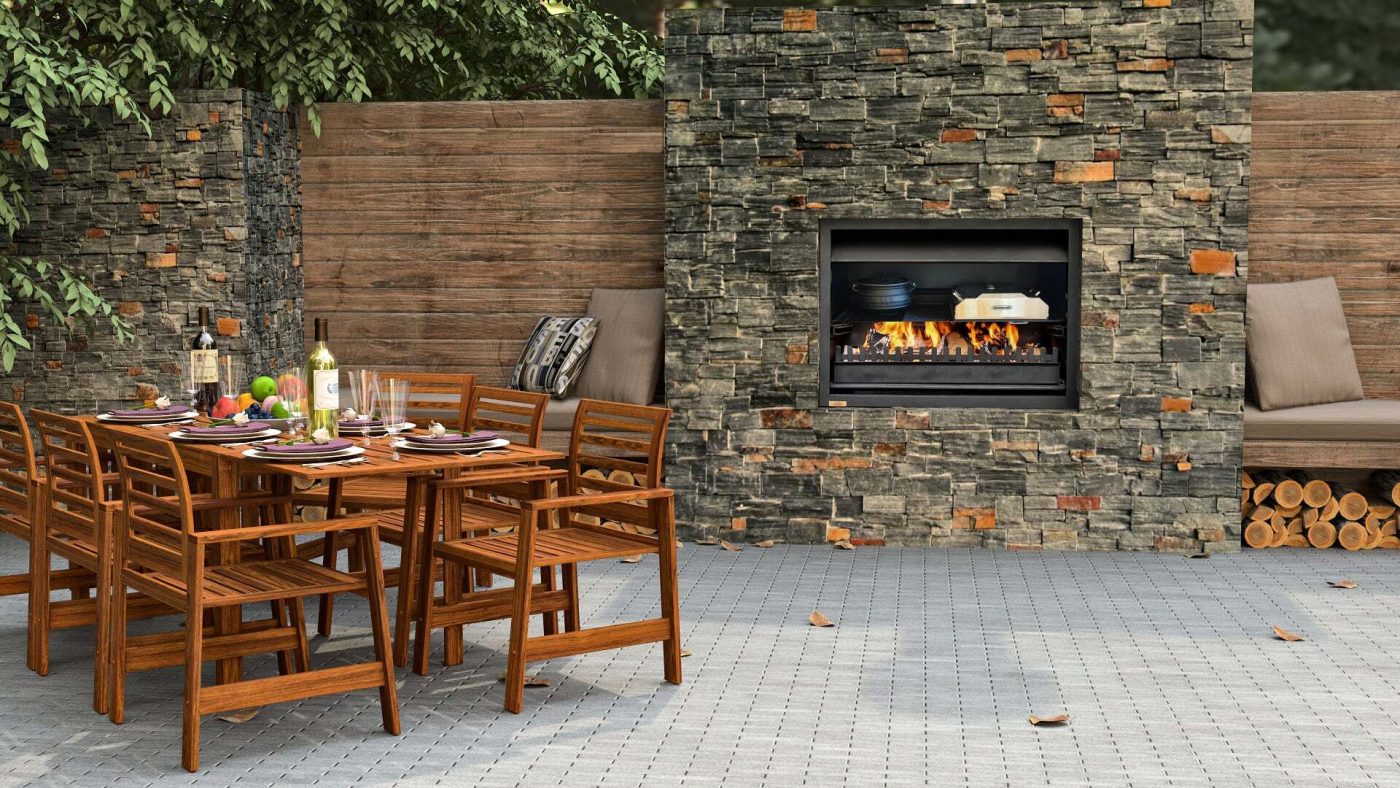
In todays time when sustainability is more than just a buzzword, making eco-conscious choices in our homes is becoming essential. One such decision that many Indian homeowners are exploring is the shift toward wood fireplaces India as an environmentally friendly heating solution. While modern heating options are abundant, there’s something timeless—and surprisingly green—about returning to nature’s source of warmth: wood.
A Carbon-Neutral Heating Option
Unlike fossil fuel-based heaters that contribute heavily to greenhouse gas emissions, wood fireplaces India is considered a carbon-neutral alternative. This might sound surprising, but when wood is sourced responsibly—meaning from sustainably managed forests or deadfall—the carbon dioxide released during burning is equal to what the tree absorbed during its lifetime.
This balance makes wood a renewable resource, especially in rural or semi-urban Indian regions where firewood is often locally available. By opting for wood over gas or electricity, homeowners reduce their reliance on non-renewable energy sources, making a small but meaningful impact on the planet.
Less Energy, More Efficiency
Another benefit of choosing a wood fireplace is the reduction in grid energy consumption. In India, especially during the winter months, electricity demand spikes, leading to increased strain on the power grid. By using wood fireplaces in India, you ease the burden on energy infrastructure while also enjoying the unique warmth only a real flame can provide.
Modern wood fireplaces are not like the smoke-heavy versions of the past. With the advent of efficient, clean-burning stove technology and proper ventilation, they can provide high heat output with minimal environmental side effects. Many models also feature secondary combustion systems that burn off gases and particles, resulting in cleaner emissions.
Minimal Manufacturing Footprint
Gas or electric heaters often require extensive manufacturing processes, materials like metal alloys and plastics, and large-scale energy consumption during production. On the other hand, wood fireplaces, particularly those made with natural stone or brick, are more eco-friendly in both construction and maintenance.
They last longer, use fewer synthetic components, and can even be built using recycled or locally sourced materials—making them a greener investment for the long term.
Conclusion: Sustainable Warmth for a Greener Future
If you’re aiming to reduce your carbon footprint while staying cozy during chilly Indian winters, wood fireplaces India offer an ideal solution. They combine traditional charm with modern efficiency, all while aligning with sustainable living practices.
Making the switch not only adds warmth to your home but also helps nurture a cooler, greener planet for generations to come.